A Chinese one-two finish in Tongyeong
The 2026 World Triathlon Cup Tongyeong took place in the Republic of Korea on October 24, 2026. China’s Xinyu Lin won the elite women’s race in 56:42, with teammate Anqi Huang second in 56:45. France’s Mathilde Gautier finished third in 56:47. Just five seconds separated the top three finishers.
In the elite men’s event, Spain’s Alberto Gonzalez Garcia took victory in 50:03, ahead of Switzerland’s Max Studer in 50:10 and the United States’ Keller Norland in 50:17.
Verified podium results
| Event | Winner | Runner-up | Third place |
|---|---|---|---|
| Elite women | Xinyu Lin — 56:42 | Anqi Huang — 56:45 | Mathilde Gautier — 56:47 |
| Elite men | Alberto Gonzalez Garcia — 50:03 | Max Studer — 50:10 | Keller Norland — 50:17 |
World Triathlon’s official results list a 750 m swim, 19.8 km bike and 5 km run for the sprint-distance event. The women’s results page records a water temperature of 20.2°C and air temperature of 16.0°C for that competition.
Why sprint triathlon is different from long-course racing
Sprint-distance racing compresses swimming, cycling, transitions and running into a much shorter event than middle- or long-distance triathlon. Small changes in transitions, equipment handling and pacing can matter, but race outcomes are influenced by many factors. It would be misleading to attribute the Tongyeong results to any particular hydration container or accessory.
For everyday athletes, the useful lesson is to prepare equipment that is simple, secure and familiar. Avoid testing a new valve, carrying system or nutrition product for the first time on race day.
Hydration and carrying equipment: practical questions
How much should you carry?
The answer depends on your event duration, conditions, individual needs, aid-station arrangements and event rules. Some sprint athletes may rely on on-course support and their bike setup; training sessions can require different solutions. Do not assume a handheld or soft flask is required for elite sprint racing.
Where can a soft flask be useful?
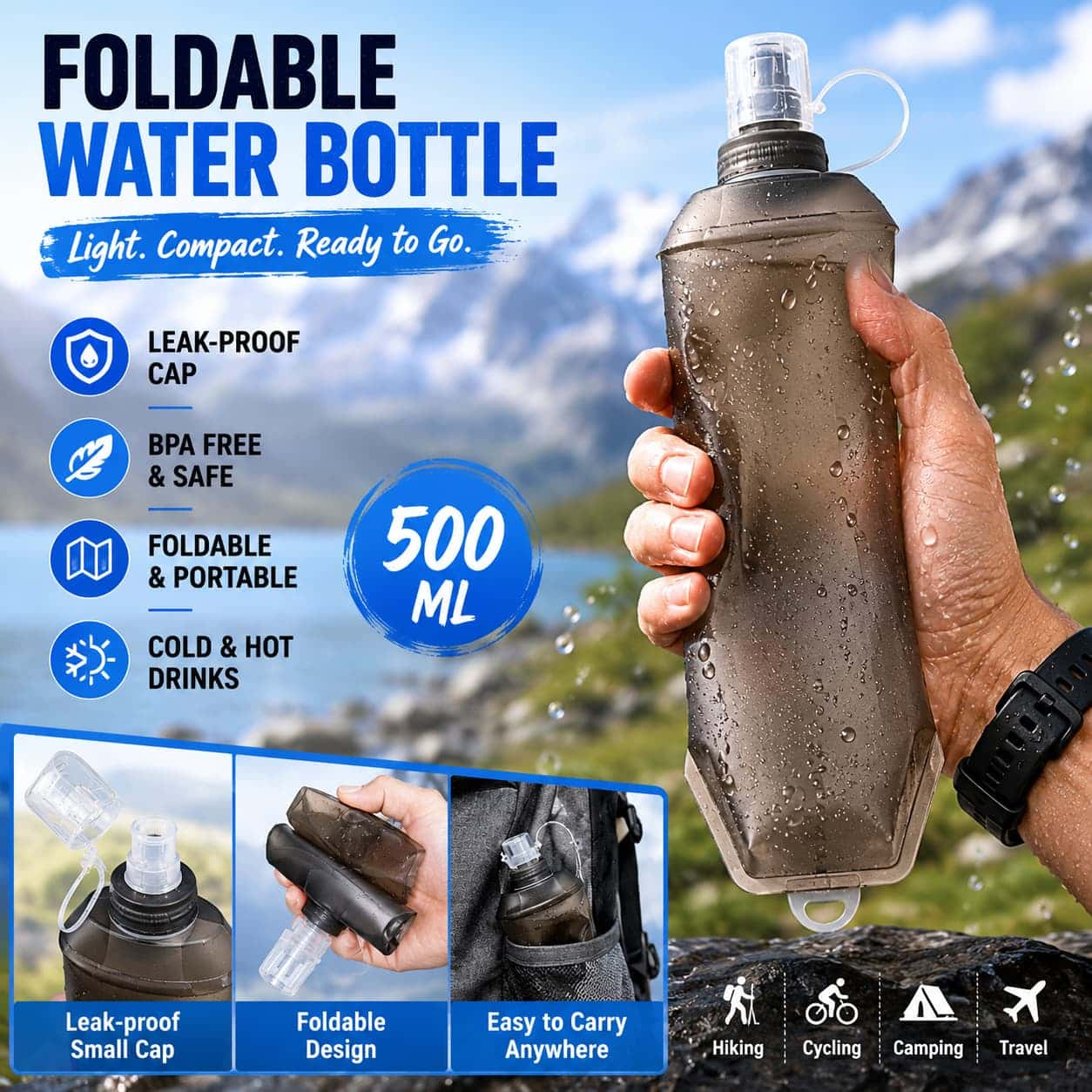
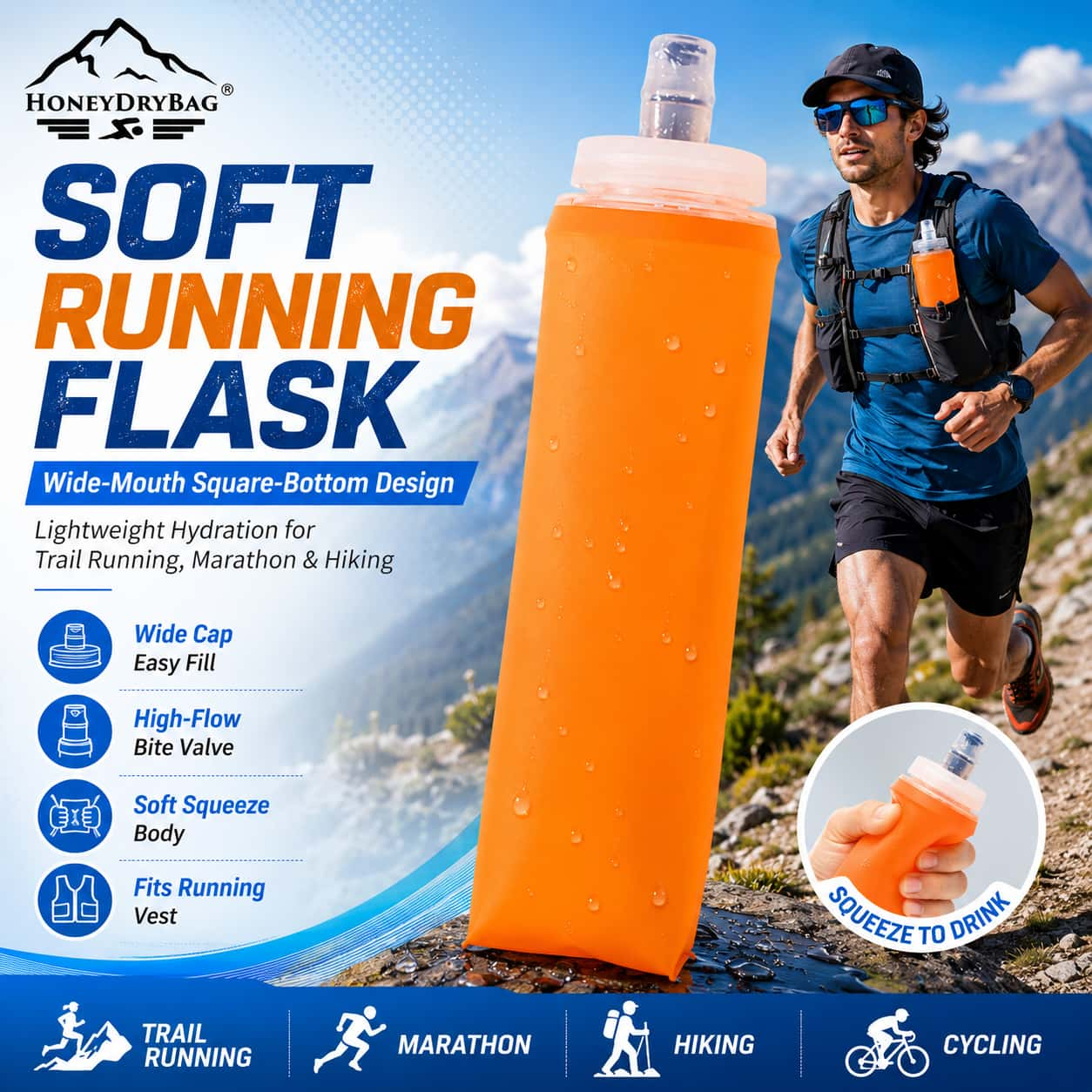
During run training, warm-ups or other permitted endurance activities, a flexible soft flask can provide a compact carrying option. Before use, check the capacity, grip, mouthpiece function, leak resistance and compatibility with your vest or belt.
What should equipment brands test?
Brands designing soft flasks for endurance athletes should evaluate fill and drink ergonomics, secure carrying fit, valve performance, durability, cleaning access and appropriate food-contact material requirements. User testing across different paces and body movements is more informative than relying on race publicity alone.
A broader lesson for hydration product development
The Tongyeong podium shows how competitive international sprint racing can be. It does not establish a market size or procurement requirement for any specific accessory. For running and triathlon brands, product decisions should begin with documented user needs and validated samples.
Honey Dry Bag develops OEM/ODM TPU soft flask options for sports hydration brands. Teams exploring custom capacities, branding or compatibility with running equipment can discuss their specifications with us.
For compact training hydration, Honey Dry Bag offers the R50031 200ml lightweight TPU soft flask and the R50023 250ml running soft flask. These links are product references for readers, not claims that Tongyeong competitors used these flasks.
Sources
- World Triathlon — official Tongyeong elite women’s results
- World Triathlon — official Tongyeong event coverage
- Triathlon Japan — 2026 Tongyeong elite results
Editorial note: Equipment guidance is general and does not imply athlete endorsement or event sponsorship.