Quick answer: It depends on the run. Most runners skip water for short runs under 30–45 minutes in mild weather, but carry a handheld flask, belt, or vest for runs over 45–60 minutes, hot conditions, or routes without access to fountains or stores. There's no single right answer — it comes down to distance, heat, and route access.
Why This Question Comes Up So Often
It's a common question in running communities, and the honest answer is: runners are split, and both camps have good reasons. Some treat a bottle as essential gear for any run; others find it unnecessary and even annoying for anything short. The right answer depends on specifics, not personal habit alone.
When Most Runners Skip the Bottle
- Runs under 30–45 minutes in mild or cool weather
- Routes that pass water fountains, cafes, or home base
- Easy-paced runs where sweat loss is minimal
For these runs, carrying water is often more hassle than benefit — extra weight and hand occupation with little real hydration need.
When Most Runners Carry Water
- Runs over 45–60 minutes, where fluid loss starts to add up
- Hot or humid weather, regardless of run length
- Routes with no reliable water access (trails, rural roads, unfamiliar areas)
- Runs that double as race-pace or race-simulation training, where practicing a hydration routine matters
How to Decide for Your Own Runs
| Run Type | Carry Water? |
|---|---|
| 30 min easy run, cool weather, familiar route | Usually not necessary |
| 60+ min run, any weather | Recommended |
| Any run in hot/humid conditions | Recommended, regardless of distance |
| Trail or rural route with no water access | Recommended |
| Race-pace training runs | Recommended, to rehearse race-day hydration habits |
What Runners Use Instead of a Traditional Bottle
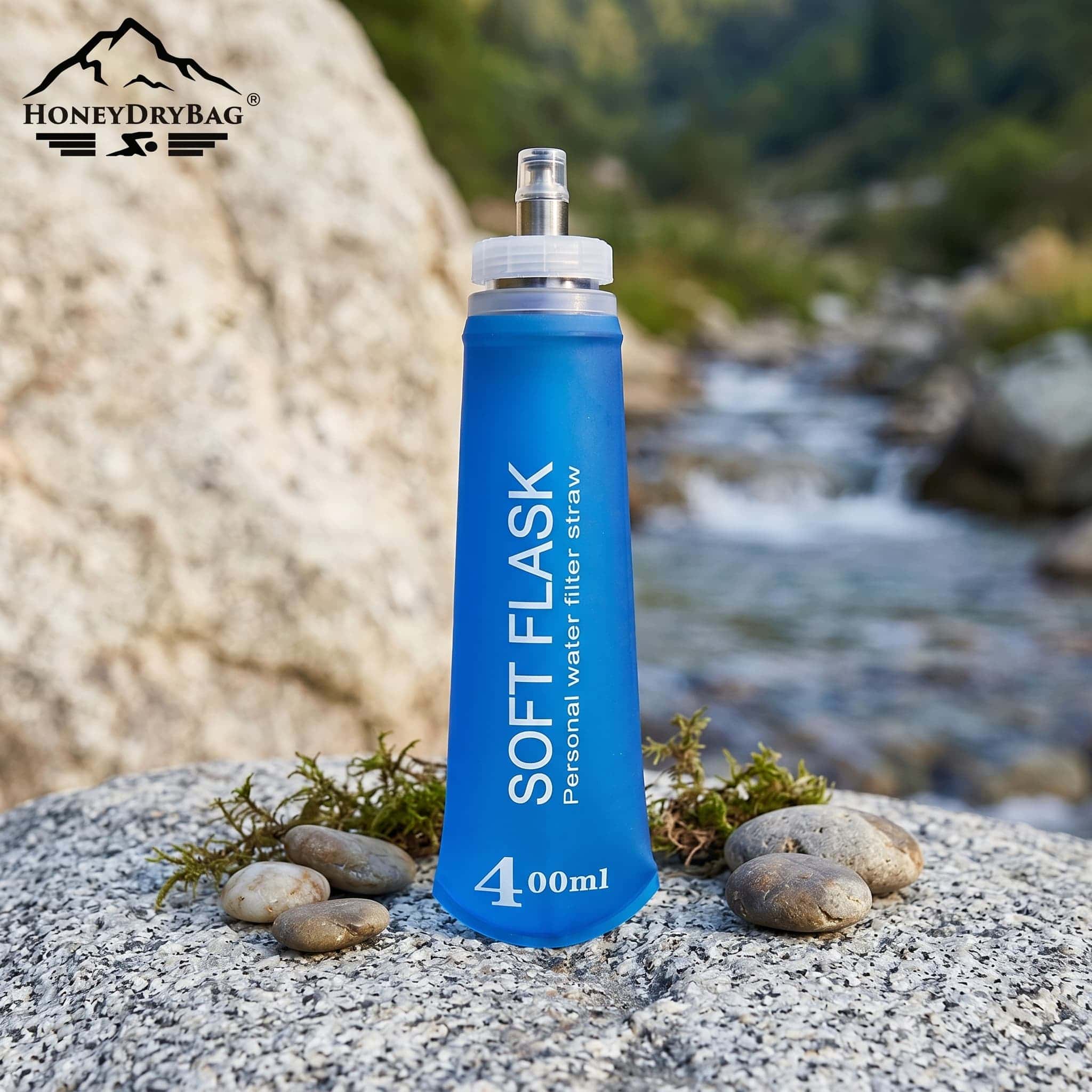
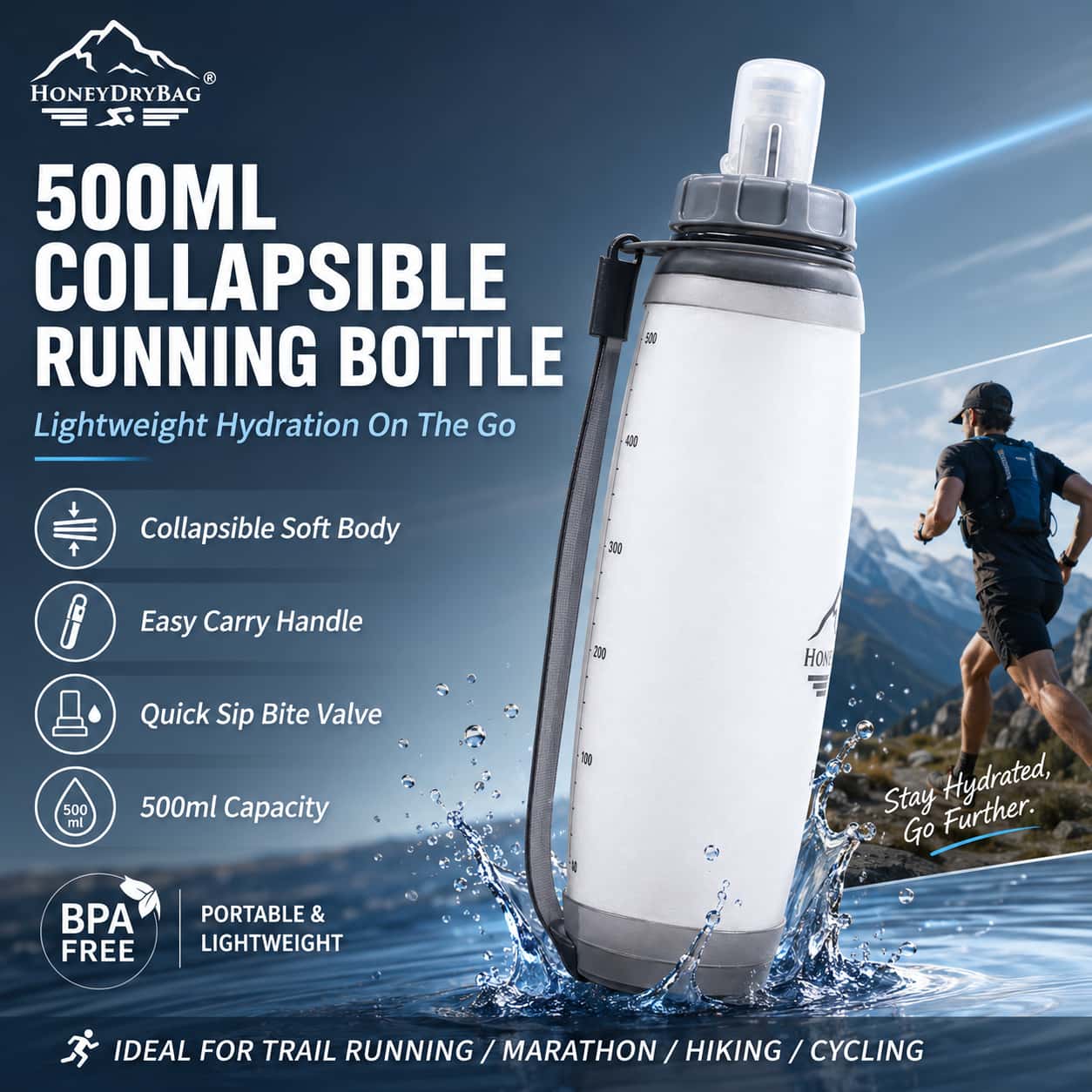
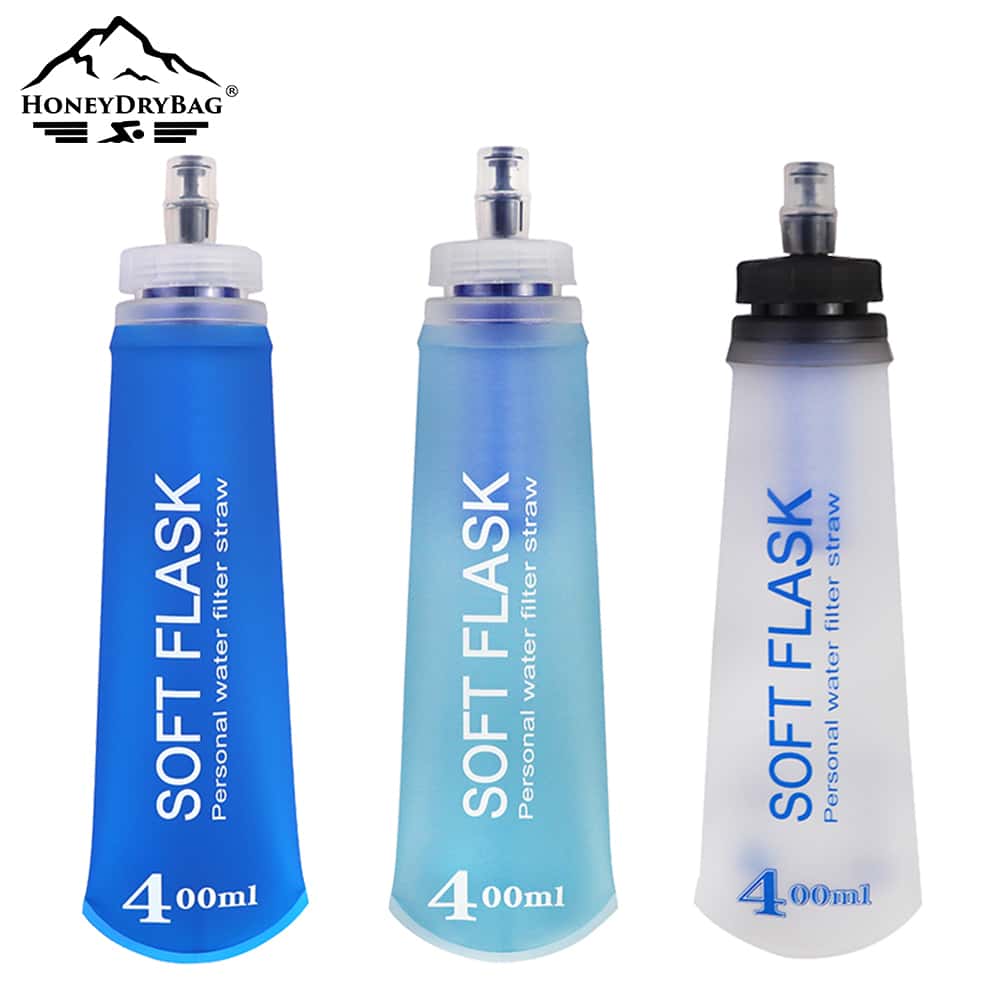
Few runners carry a rigid bottle by hand for an entire run — most opt for a handheld soft flask, a waist belt with bottle holsters, or a hydration vest for longer distances. A soft flask in particular is popular because it's lightweight, compresses as it empties, and doesn't add bulk once it's partly consumed. Our handheld soft flasks are designed for exactly this.
Is It Actually Bad to Run Without Water?
For short, easy runs in mild weather, skipping water is common and fine for most healthy adults. The risk increases with longer duration, higher heat, and higher intensity — that's when dehydration can measurably affect pace, focus, and recovery. If you're ever unsure, the safer default for runs approaching an hour or more is to carry something.