OEM & ODM Soft Flask Manufacturing
Custom Soft Flask Manufacturer
OEM & ODM TPU soft flasks for running, trail running, cycling, endurance sports, and outdoor hydration brands.
Soft Flask Manufacturing
TPU Soft Flask Manufacturer for Global Hydration Brands
Honey Dry Bag specializes in manufacturing TPU soft flasks and collapsible water bottles for running, trail running, cycling, endurance sports, and outdoor hydration brands.
Our soft flask range includes multiple capacities and product configurations for compact race hydration, running vest use, longer-distance hydration, and brand-specific applications.
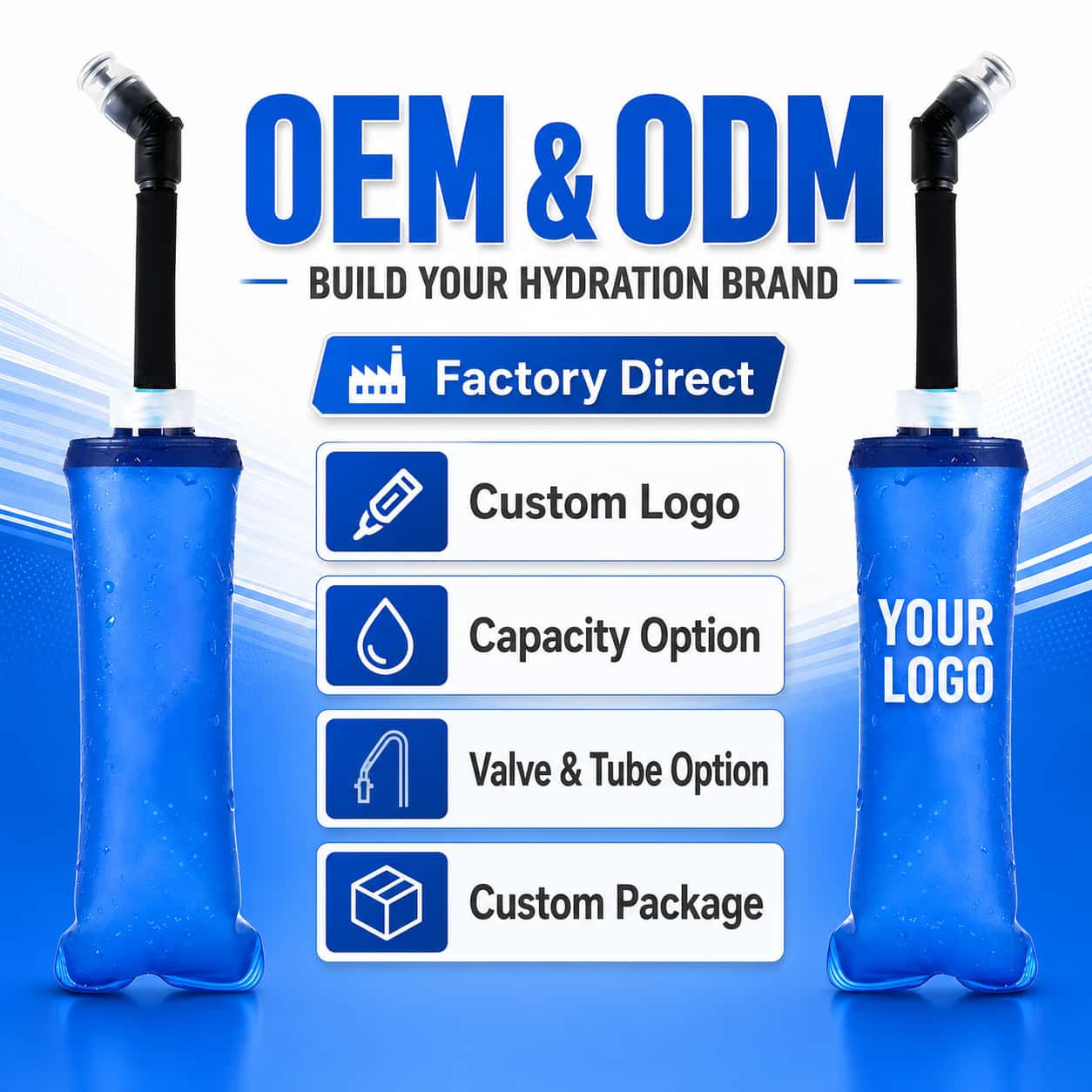
We provide OEM and ODM services for brands that need customized soft flask products. Projects can include adjustments to capacity, color, branding, valve or nozzle configuration, straw options, product shape, and packaging.
Product Collection
TPU Soft Flask Products
Explore TPU soft flasks and collapsible water bottles in multiple capacities and configurations for running and outdoor hydration brands.
Running soft flask(R50023)
Flexible 250ml TPU hydration flask designed for running, trail running, racing, and compact hydration.
View details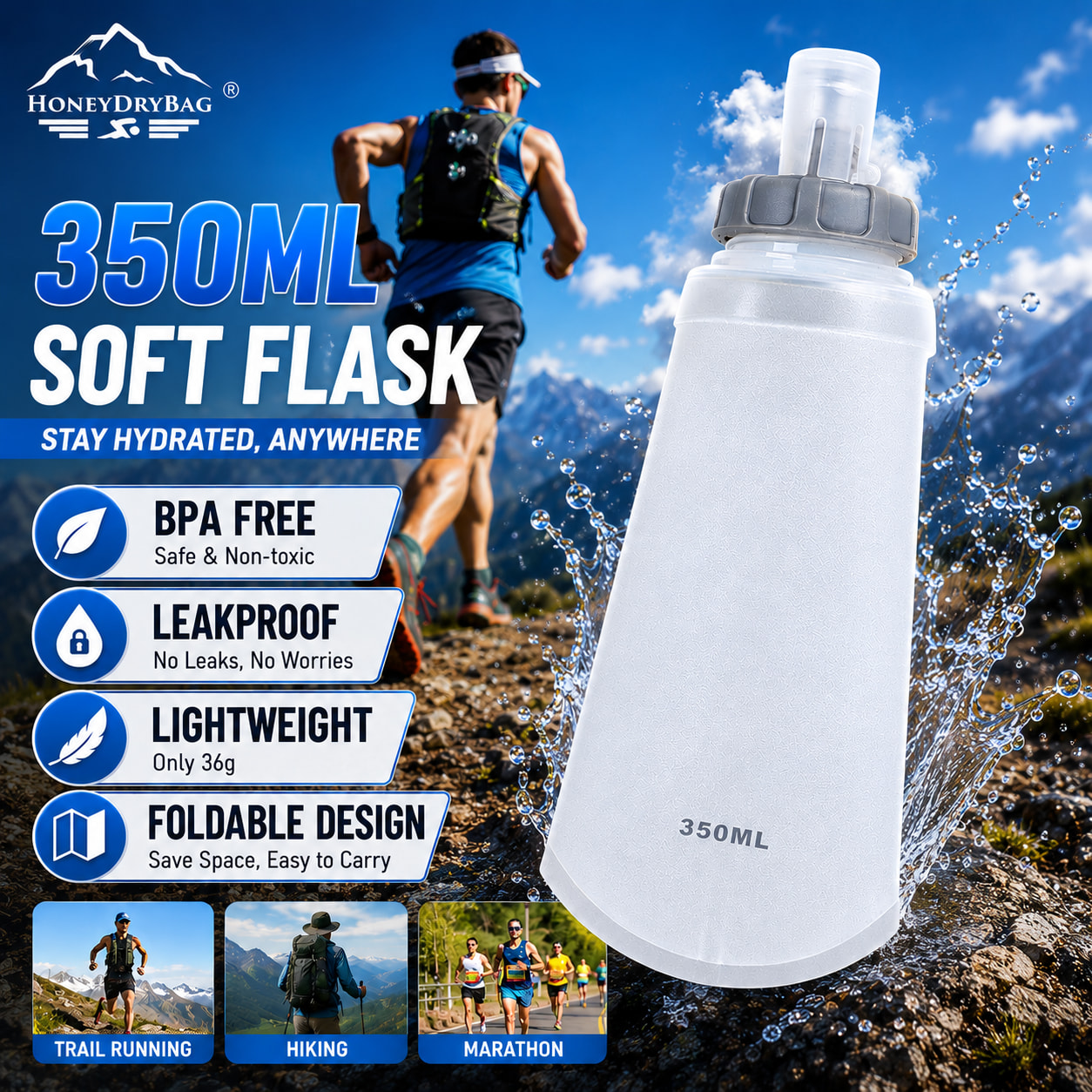
Running soft_flask(R50017)
Flexible 350ml TPU soft flask designed for running, racing, and compact endurance hydration.
View details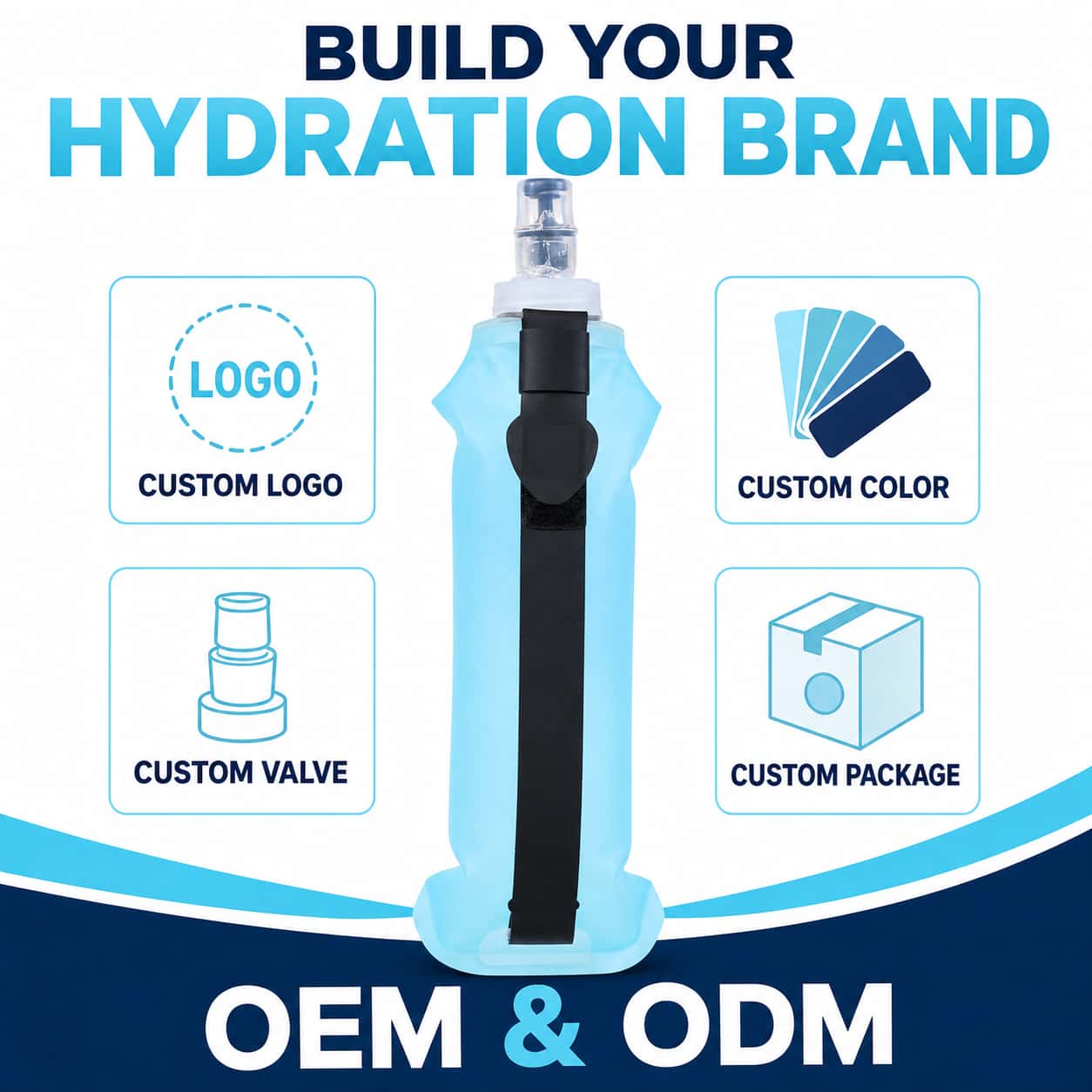
Running soft_flask(R50030)
Flexible 500ml TPU soft flask designed for running, trail running, and endurance hydration.
View details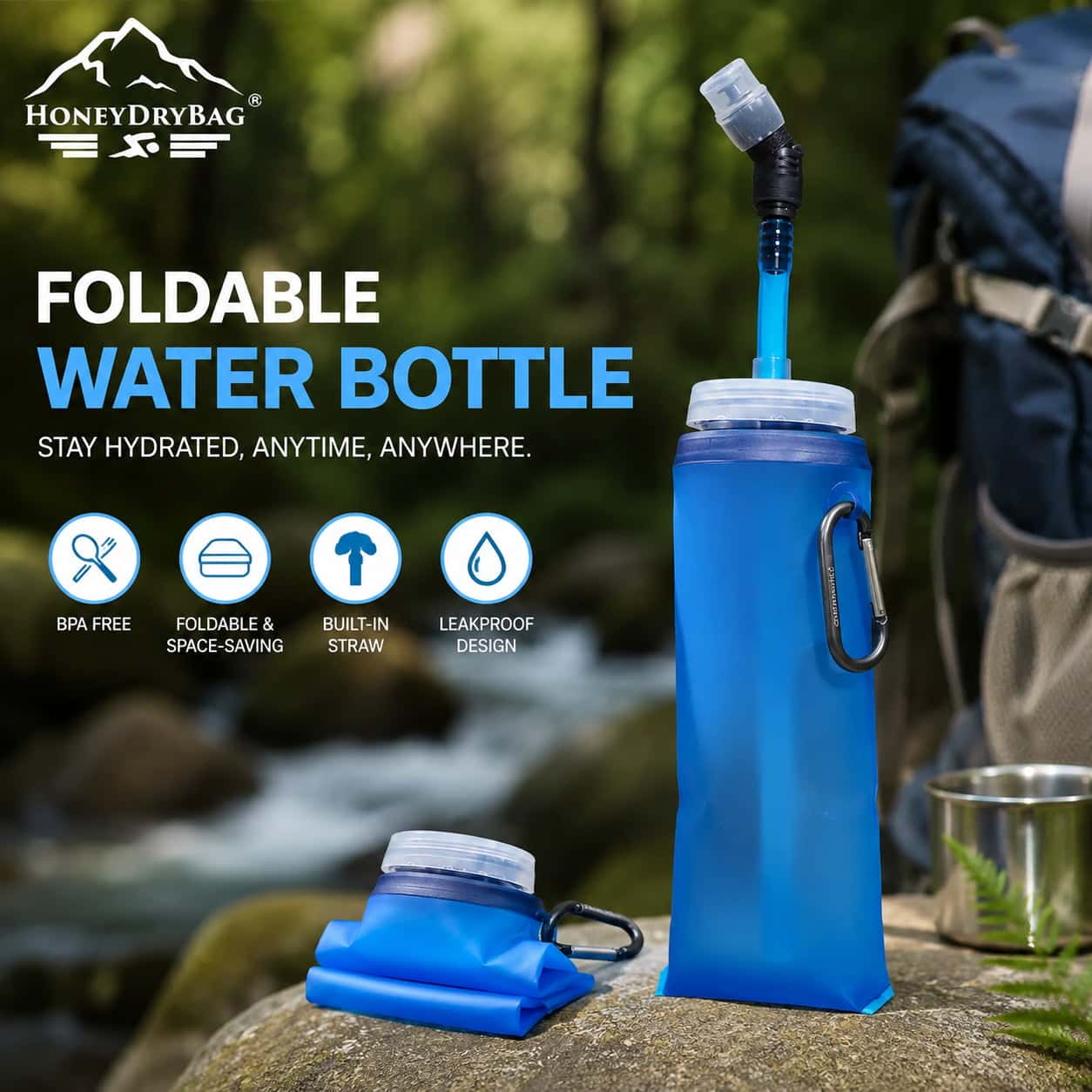
Running soft_flask(R50021)
350ml TPU soft flask with straw designed for convenient running and endurance hydration.
View details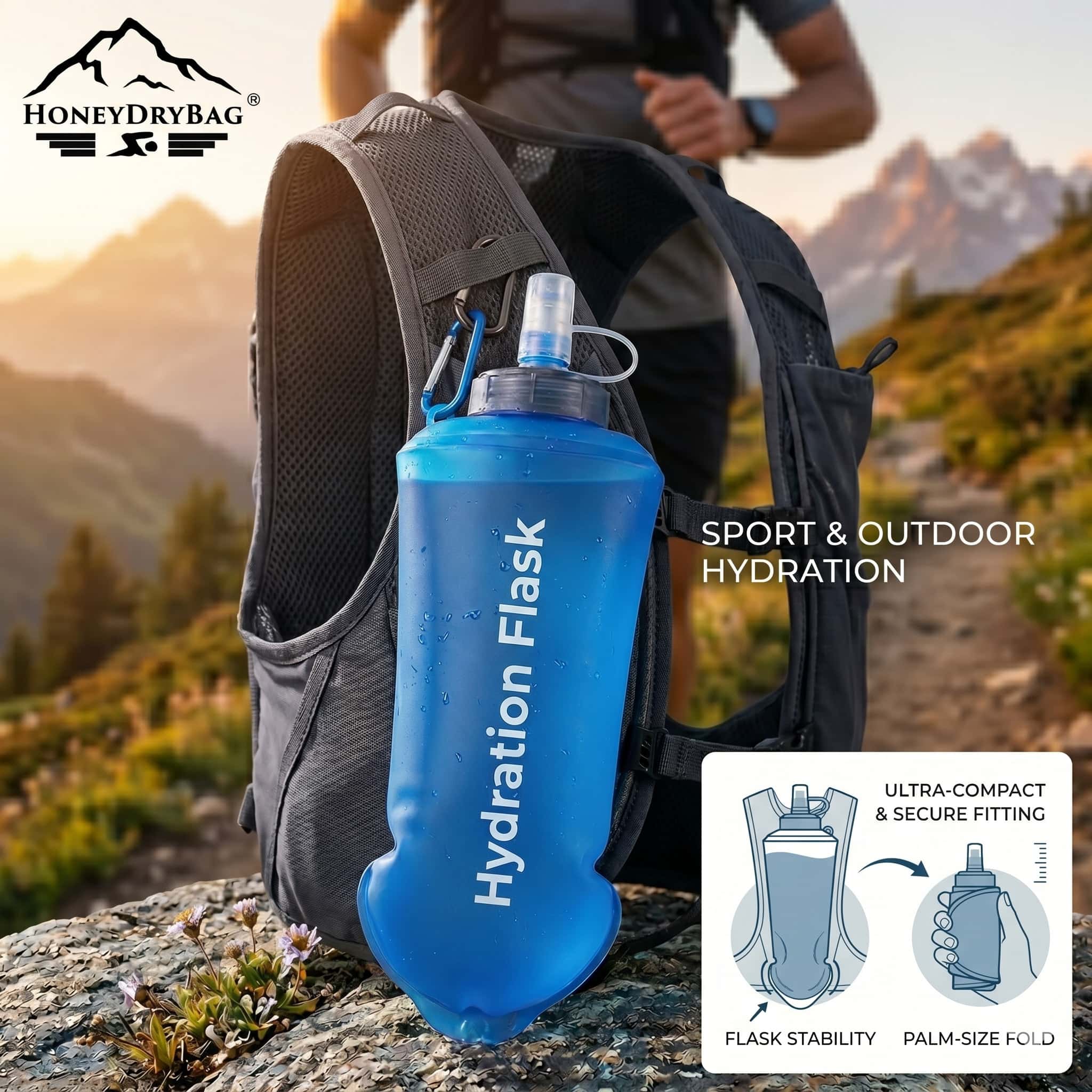
Running soft_flask(R50020)
Flexible 500ml TPU soft flask designed for running, trail running, and endurance hydration.
View details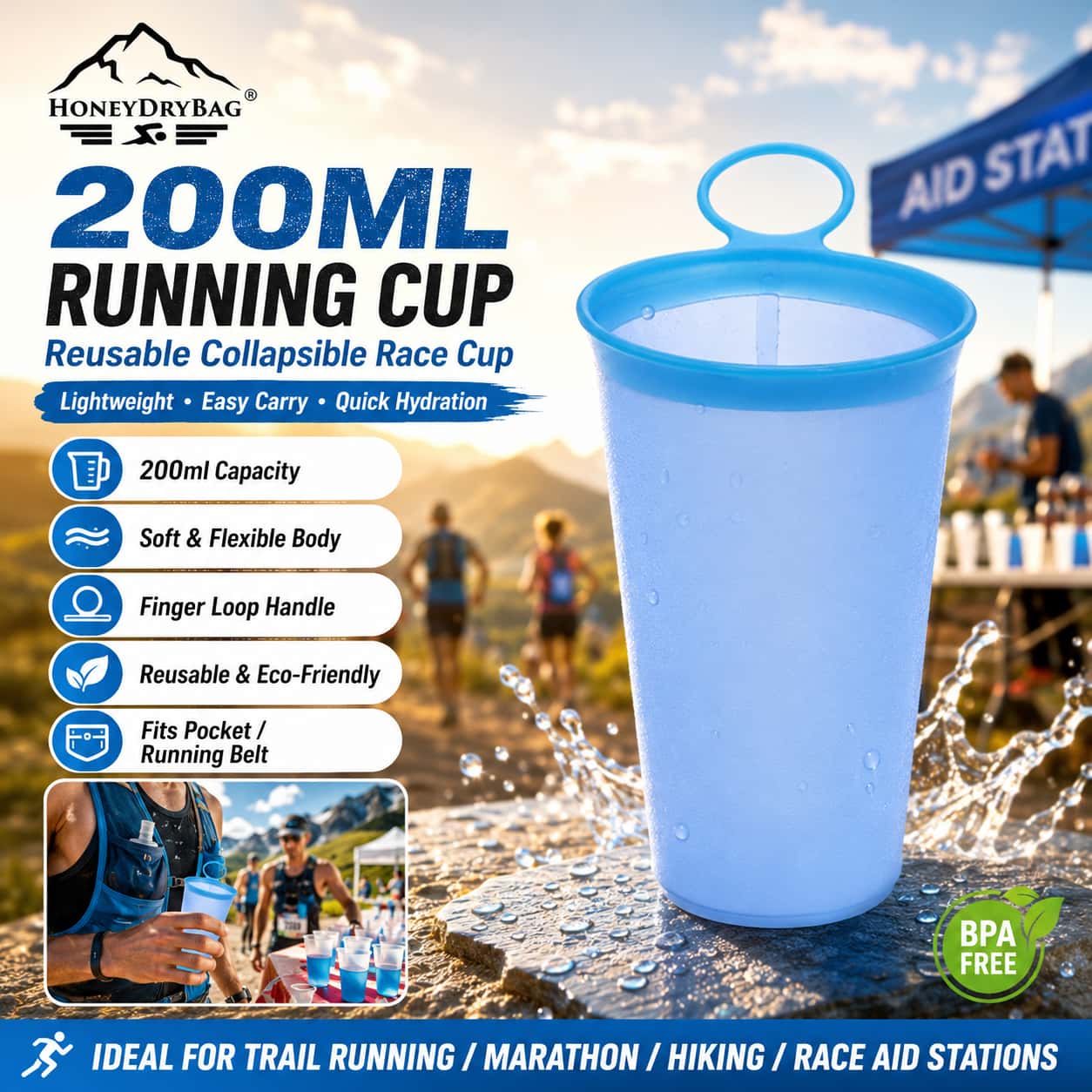
Running soft_flask(R50011)
Ultra-light 200ml TPU soft flask designed for compact running and race hydration.
View details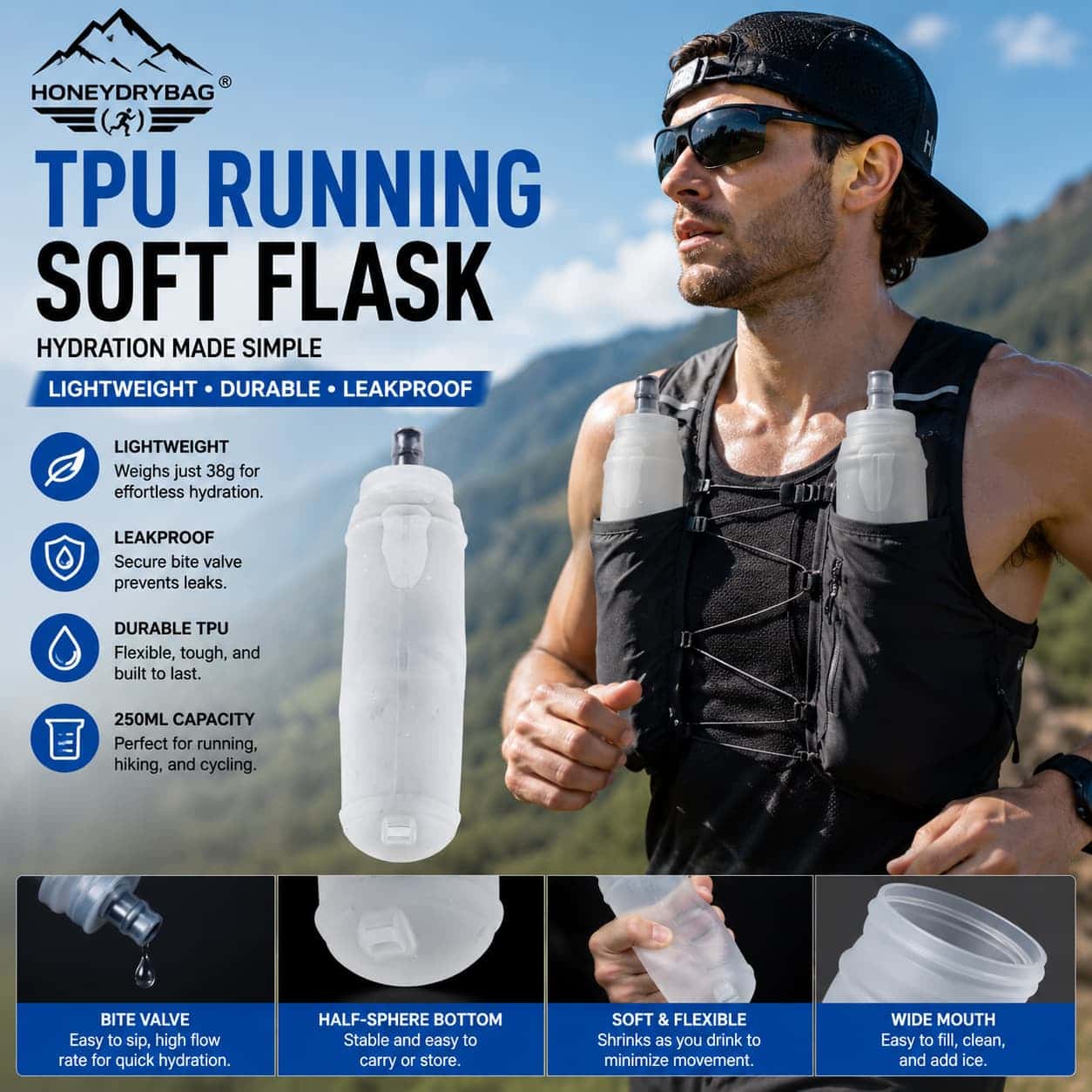
Running soft_flask(R50044)
Flexible 500ml TPU soft flask designed for running, trail running, and endurance hydration.
View details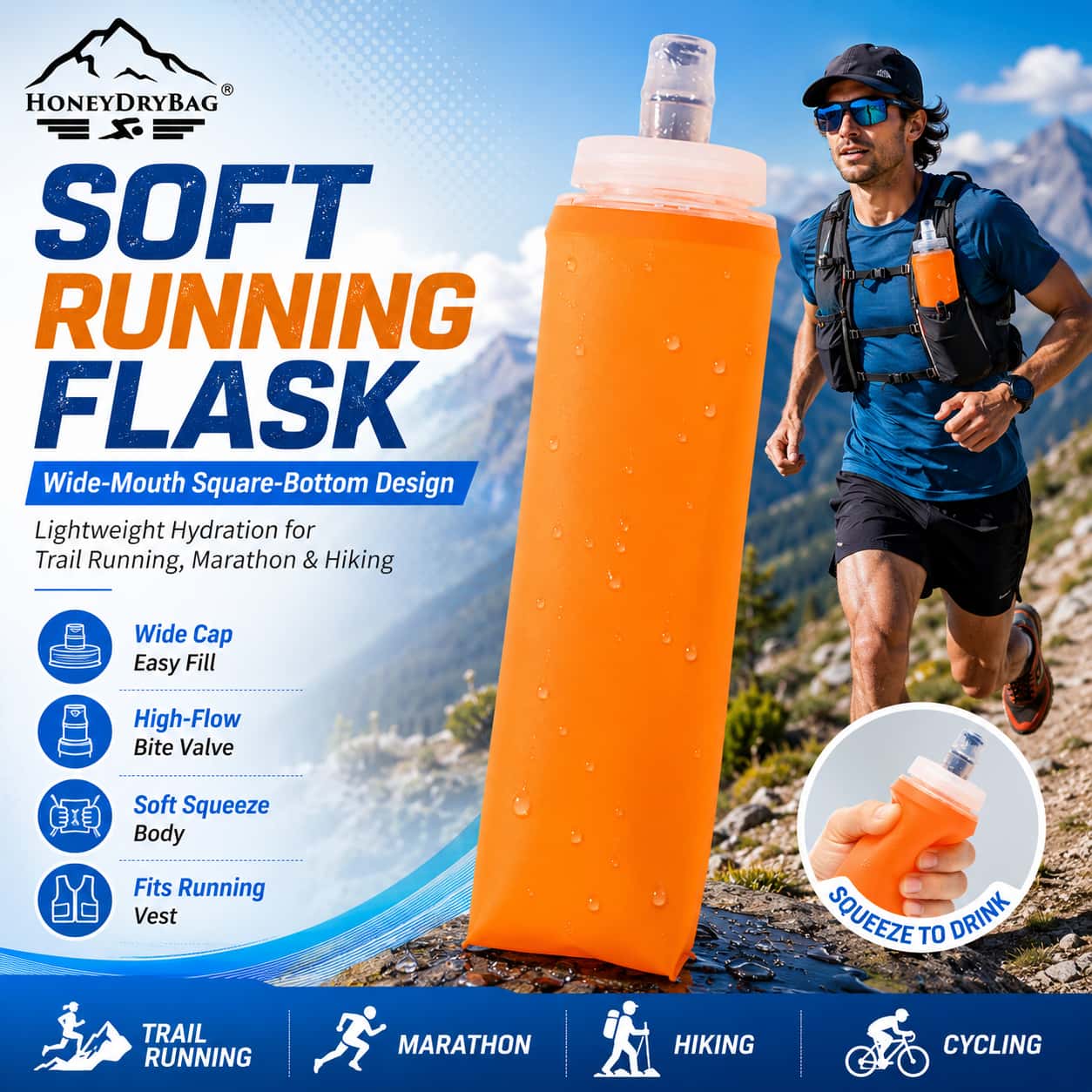
Running soft_flask(R50026)
Flexible TPU soft flask available in 300ml and 500ml capacities for running and endurance hydration.
View detailsCustom Manufacturing
Custom Soft Flask OEM & ODM Solutions
Develop soft flask products around your target capacity, branding, application, and packaging requirements.
Capacity
Choose from multiple volume options, including compact race sizes and larger endurance hydration capacities.
Color
Match your brand identity with custom product colors and Pantone references.
Logo
Apply your logo and branding with suitable custom printing or labeling options.
Valve
Select valve and nozzle configurations based on the intended hydration use and product design.
Straw
Add straw configurations for selected running, trail running, and hydration applications.
Shape
Develop soft flask shapes and form factors to fit your product line and compatible hydration equipment.
Packaging
Choose packaging solutions based on your branding, shipping, and retail requirements.
Manufacturing & QC
Soft Flask Manufacturing & Quality Control
Our soft flask production process includes material handling, high-frequency welding, seam inspection, leakage checks, valve testing, finished-product inspection, and packaging.
TPU Material
Soft flask bodies are produced with TPU for flexible, lightweight, and collapsible hydration applications.
High-Frequency Welding
Soft flask seams are bonded using high-frequency welding to create strong and consistent sealed construction.
Seam Inspection
Welded areas are inspected to identify visible seam defects and verify construction consistency.
Leak Testing
Soft flasks are tested for leakage to help confirm sealing performance before shipment.
Valve Testing
Valve and nozzle function is checked to confirm flow performance and sealing.
Quality Inspection
Finished products are inspected before packaging to verify product appearance and key specifications.
Packaging
Products are packed according to agreed packaging requirements for shipment or retail preparation.
B2B Project Support
From Product Concept to Delivery
We support custom soft flask projects through product development, production, packaging, and shipment preparation.
Product Development
Review target capacity, product structure, branding, and application requirements.
Production
Manufacture soft flask products using the agreed design and specifications.
Packaging
Prepare suitable bulk or branded packaging according to project requirements.
Shipment Support
Prepare completed orders for shipment based on agreed delivery arrangements.
Soft Flask FAQ
Frequently Asked Questions
Common questions from brands and buyers sourcing TPU soft flasks and collapsible hydration bottles.
What is a soft flask?
A soft flask is a flexible and collapsible hydration container commonly used for running, trail running, endurance sports, and outdoor activities. Unlike rigid bottles, soft flasks compress as the liquid level drops, making them easier to carry in compatible running vests and hydration equipment.
What materials are your soft flasks made from?
Our current soft flask range primarily uses TPU for the flexible flask body. Depending on the model, components such as nozzles, caps, and straws may use additional materials such as silicone or PP.
What soft flask capacities are available?
Our current soft flask range includes multiple capacities such as 200ml, 250ml, 300ml, 350ml, 400ml, 500ml, 550ml, 750ml, and 1L, with some models available in more than one capacity.
Can you manufacture custom soft flasks for my brand?
Yes. Honey Dry Bag supports OEM and ODM soft flask projects for sports, running, outdoor, and hydration brands. Available customization can include capacity, color, logo, valve or nozzle configuration, straw options, shape, and packaging depending on the project.
What is the MOQ for custom soft flasks?
Many of our current soft flask models list a MOQ of 500PCS. MOQ can depend on the selected model and customization requirements, so please contact us with your target specification for confirmation.
Can soft flasks be used with running vests?
Soft flasks are widely used with compatible running and trail-running hydration equipment. Compatibility depends on flask dimensions, capacity, valve position, and the pocket design of the running vest.
How can I request a quote or sample?
Send us your target soft flask capacity, quantity, branding requirements, and any preferred valve, straw, color, or packaging details. Our team can then review the project and discuss suitable options.
Knowledge Center
Soft Flask Knowledge & Buying Guides
Explore material, sourcing, capacity, and product-selection information for soft flask brands and buyers.
What Is TPU in a Water Bottle?
Learn what TPU is, why it is used for soft flasks, how it compares with silicone, and what B2B buyers should verify when sourcing TPU hydration products.
Read guideBuying GuideFoldable TPU Running Water Bottles: Complete Buyer Guide
A complete B2B guide to foldable and collapsible TPU water bottles, including materials, specifications, manufacturing, customization, and sourcing considerations.
Read guideCapacity Guide250ml vs 350ml vs 500ml Soft Flask
Compare popular soft flask capacities and learn how bottle size affects running, trail running, hydration capacity, weight, and product selection.
Read guideOther Product Lines
Explore Other Outdoor Products
Soft flasks are the primary focus of this website. Honey Dry Bag also manufactures selected outdoor and waterproof products for B2B customers.
B2B Inquiry
Request a Soft Flask Quote
Tell us your target capacity, quantity, branding, valve, straw, color, and packaging requirements.
Send Us an Inquiry
Fill out the form below and we'll get back to you shortly.
Custom Soft Flask Project
Looking for a Soft Flask Manufacturer?
Discuss your soft flask specifications, branding, quantity, and OEM or ODM requirements with Honey Dry Bag.
Start Your Project