Quick answer: For run legs over 90 minutes, plan on roughly one energy gel every 30–45 minutes, delivering 25–40g of carbohydrate each, starting around 15–20 minutes into the run rather than waiting until you feel depleted. Never try a new gel or timing plan for the first time on race day.
How Many Gels Do You Need for the Run Leg?
| Run Leg Duration | Typical Gel Strategy |
|---|---|
| Under 60 minutes | 0–1 gel, often unnecessary if pre-race fueling was adequate |
| 60–90 minutes | 1–2 gels, spaced 30–45 minutes apart |
| 90+ minutes | 1 gel every 30–45 minutes, targeting 60–90g carbs/hour total |
When Should You Take Your First Gel?
Take the first run-leg gel around 15–20 minutes in, not when you start feeling low on energy. Gels take time to digest and enter the bloodstream as usable fuel, so waiting until you feel depleted means the gel arrives too late to prevent the slump.
Why Do Gels Cause Stomach Issues Mid-Race?
Gastrointestinal distress is usually caused by one of three factors: taking a concentrated gel without enough water, trying an unfamiliar product on race day, or exceeding your body's carbohydrate absorption rate. Absorption is commonly capped around 60–90g of carbs per hour, depending on the gel's glucose-to-fructose ratio.
Should You Rehearse Your Nutrition Plan Before Race Day?
Yes — race-day nutrition should never be improvised. Test your gel brand, flavor, and timing during long training runs and brick workouts, since gut tolerance varies by individual and tends to worsen under race-intensity effort compared to easy training paces.
Can You Carry Diluted Nutrition in a Soft Flask Instead of Gels?
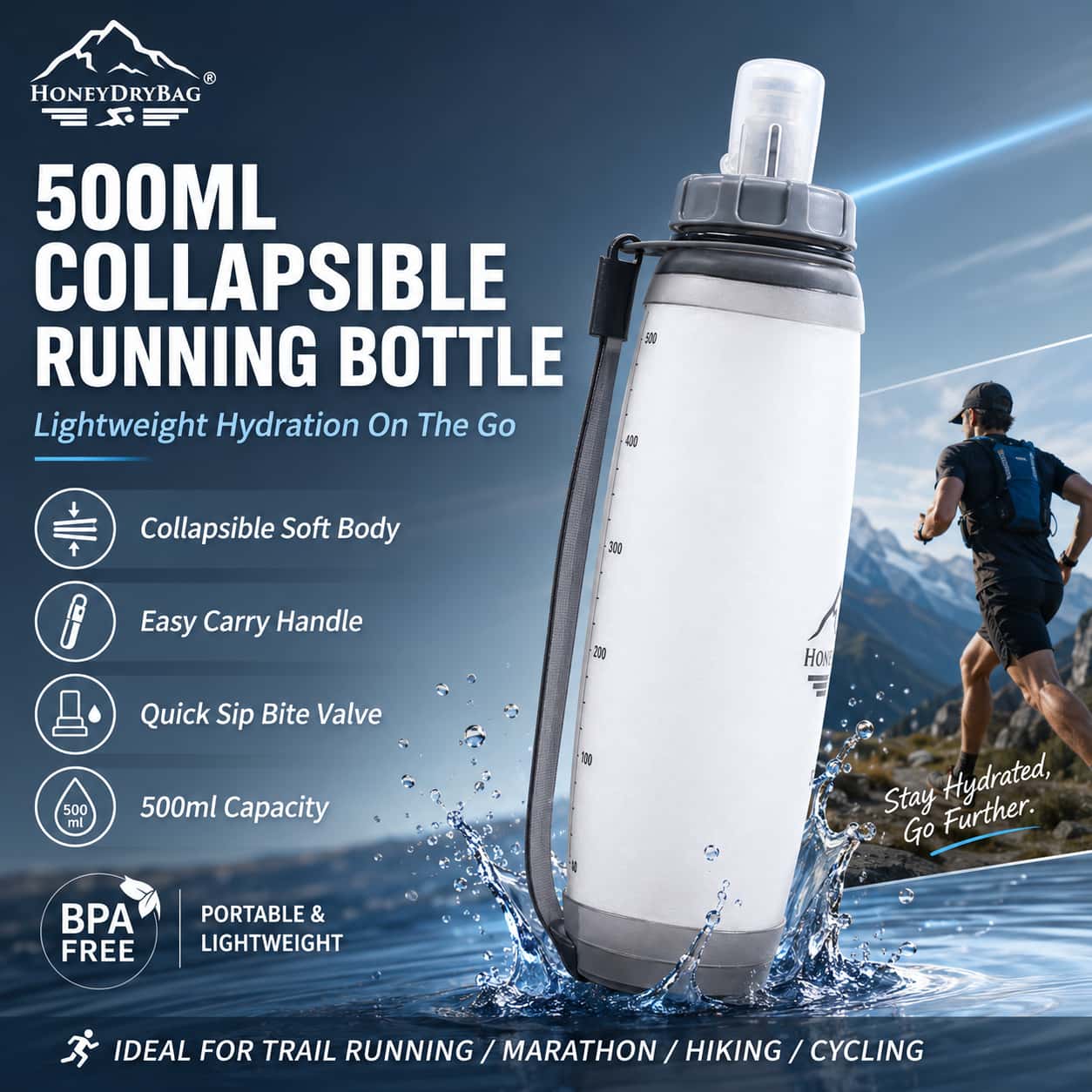
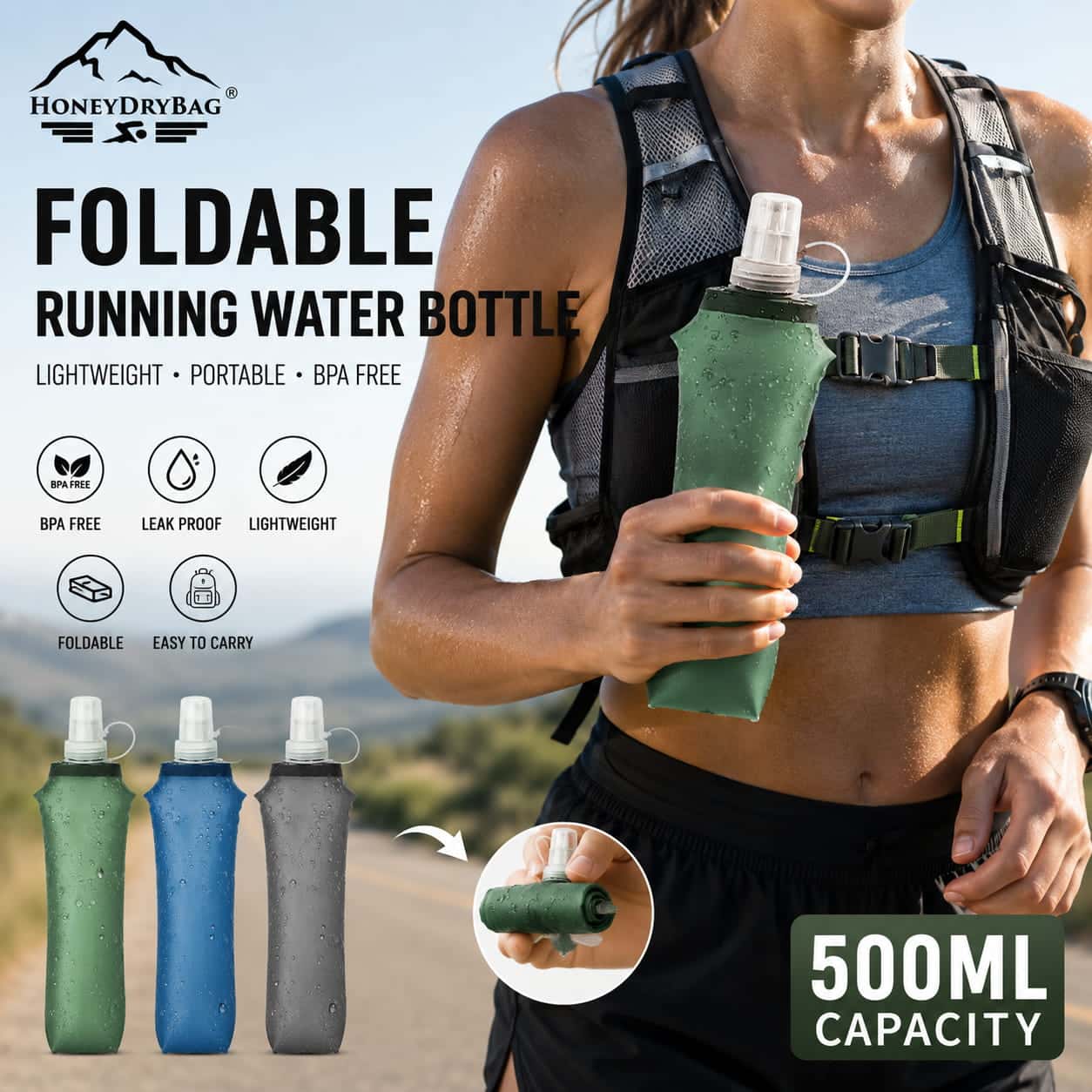
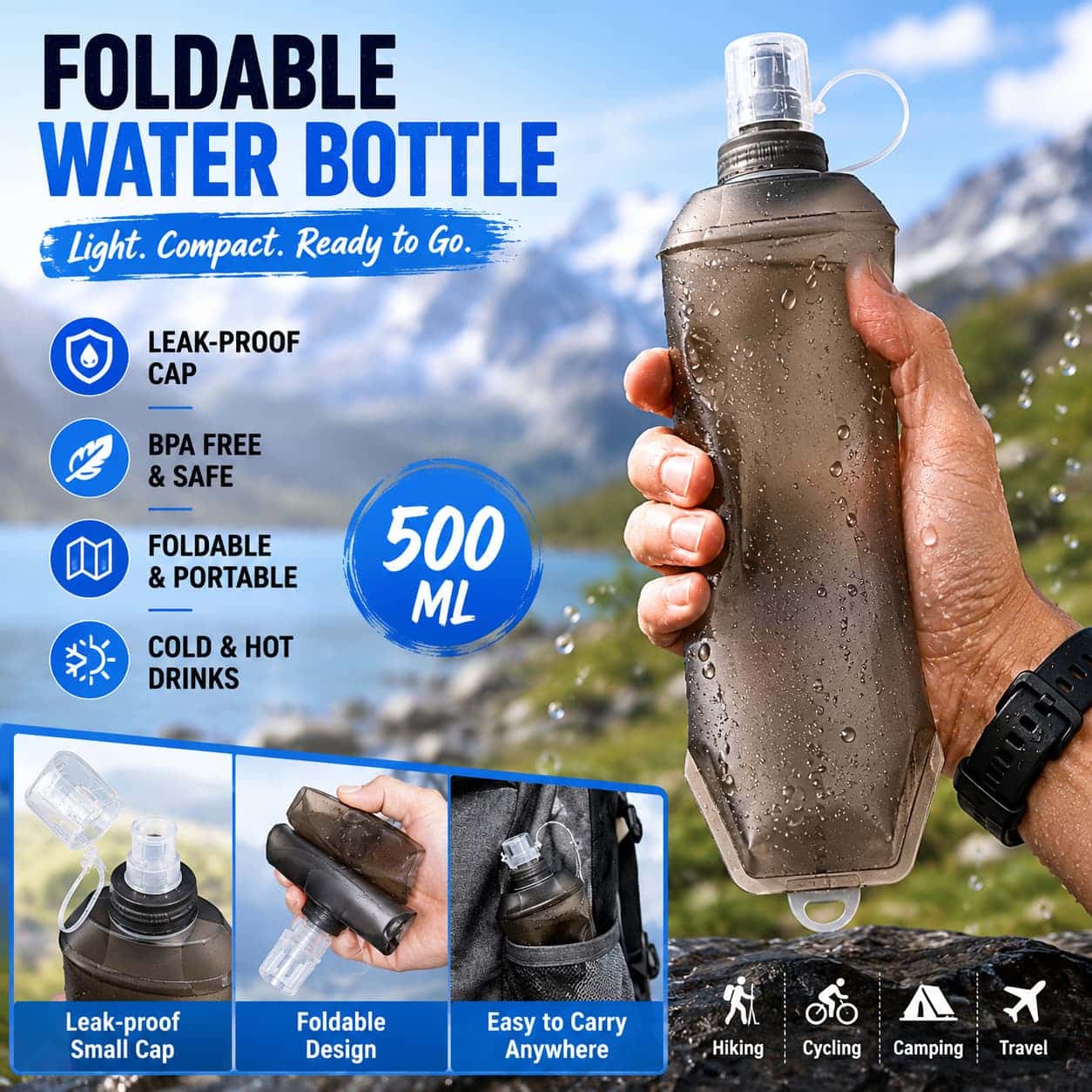
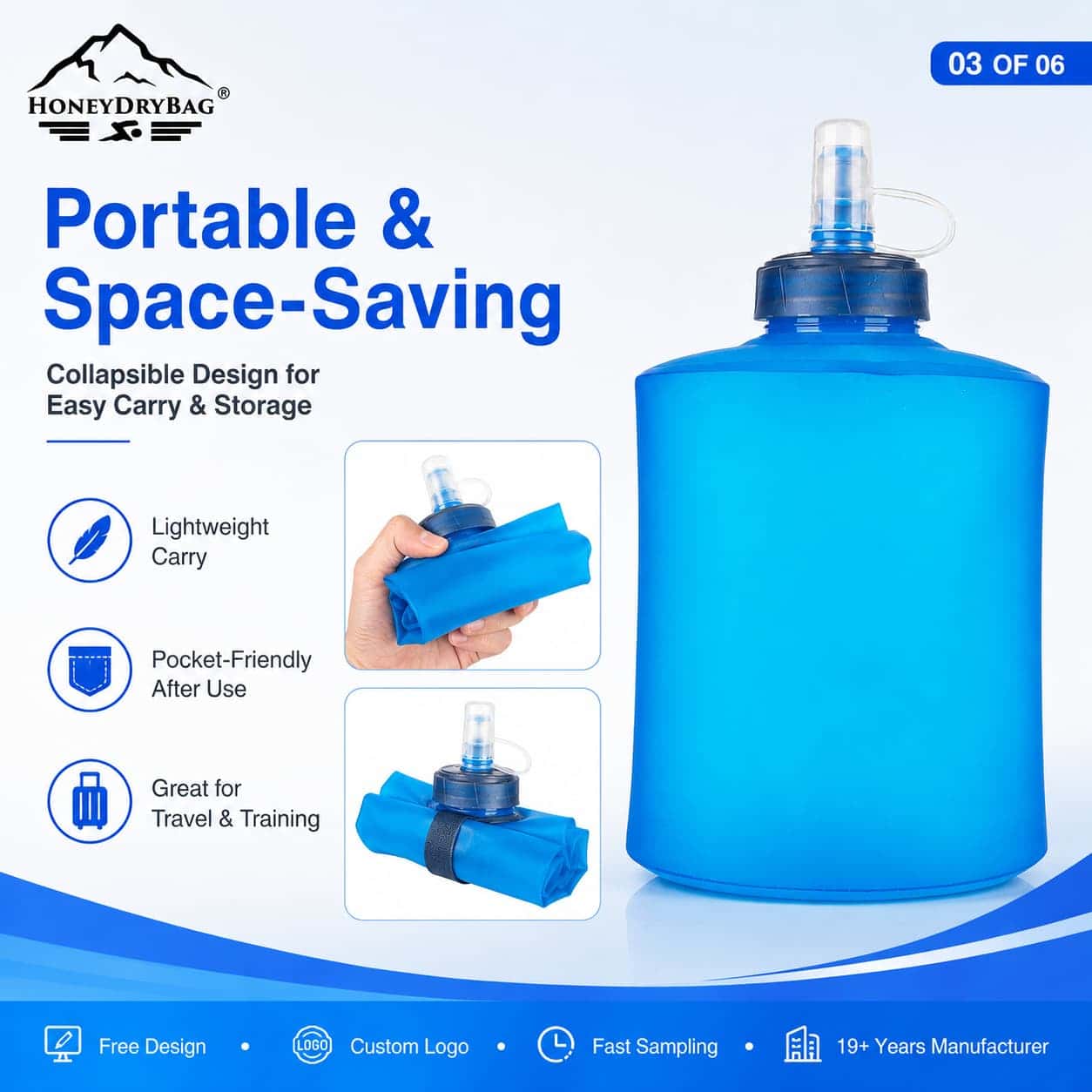
Some athletes pre-mix a diluted carbohydrate solution and carry it in a small handheld soft flask instead of packing individual gel packets. This can smooth out carbohydrate intake over the run leg rather than delivering it in concentrated bursts, and avoids fumbling with sticky gel wrappers mid-race. A 150–200ml flask is usually enough to carry a single-serving mix for shorter run legs — our small race flasks are sized for exactly this.